

Ovulation induction (OI) is a fertility treatment that uses medication to stimulate the ovaries to develop and release one or more mature eggs. It is one of the most commonly used first-line fertility treatments and is particularly effective for women who do not ovulate regularly or at all — including those with Polycystic Ovary Syndrome (PCOS), hypothalamic amenorrhoea, or other hormonal conditions that disrupt the natural ovulation cycle.
Treatment can involve oral medications such as Clomiphene Citrate or Letrozole, or injectable gonadotropin hormones for stronger stimulation. The type and dosage of medication is carefully chosen based on your diagnosis, body weight, and ovarian reserve. All OI cycles are closely monitored with transvaginal ultrasound scans and blood hormone tests to track follicle development and ensure the correct timing of ovulation — reducing the risk of multiple pregnancy.
Ovulation induction is typically combined with either timed sexual intercourse (TSI) or intrauterine insemination (IUI) to maximise the chance of conception. Many couples achieve pregnancy within 3–6 monitored cycles of ovulation induction, making it an effective and affordable option before progressing to more complex treatments.
Our ovulation induction programme uses the most appropriate medications for your diagnosis, with close monitoring at every step to balance effectiveness with safety.
We do not use a one-size-fits-all approach. Your medication type and dosage are individually selected based on your diagnosis, ovarian reserve, BMI, and previous response to treatment — ensuring the most effective stimulation with the lowest possible risk of overstimulation or multiple pregnancy.
Every OI cycle is monitored with regular ultrasound scans and blood oestrogen levels so we can track exactly how many follicles are developing, trigger ovulation at the right time, and cancel or convert a cycle if too many follicles develop — keeping you safe throughout.


Ovulation induction monitoring appointments are available at all of our regional centres, with flexible early-morning scan slots to fit around your working schedule. Our nurses will guide you through self-administering any injectable medications and are available by phone throughout your cycle to answer questions.
Ovulation induction is a simple, well-tolerated treatment cycle. Here is what happens from your first appointment to your pregnancy test.
Baseline blood tests and ultrasound scan; personalised medication prescribed and injection teaching if needed.
Medication taken over 5–10 days; follicle growth tracked by ultrasound; trigger injection given at right time
Timed intercourse or IUI performed at ovulation; luteal support given; pregnancy blood test at Day 28.
Ovulation induction can feel repetitive over multiple cycles — the monitoring, the waiting, the hoping. Our team is here to make each cycle as smooth and stress-free as possible, and to be honest with you about when to try a different approach.
After every monitoring scan your nurse or doctor will explain exactly what they see — how many follicles are growing, how large they are, when to expect ovulation, and when to have intercourse or schedule your IUI. You will never leave an appointment confused about what to do next.
Our specialists review your response to treatment after each cycle. If your ovaries are over-responding, we will reduce your dose or advise a rest cycle. If you are not responding after a reasonable number of cycles, we will discuss whether moving to IVF would give you a significantly better chance of pregnancy.
We provide a written cycle plan at the start of each ovulation induction treatment, including your medication schedule, monitoring appointment dates, trigger injection instructions, timed intercourse or IUI advice, and luteal phase support prescription — so you have everything you need in writing from day one.
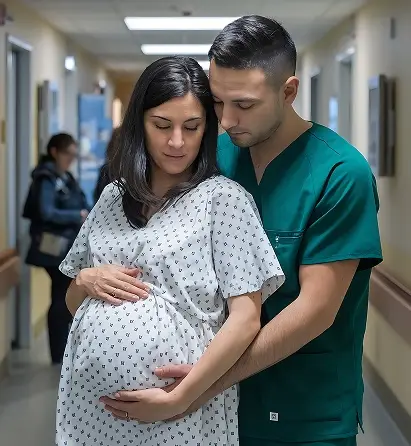
The most commonly used medications are Clomiphene Citrate (Clomid) and Letrozole, both taken as oral tablets at the start of the cycle. For women who do not respond to oral medication, or who need stronger stimulation, injectable gonadotropins (FSH or LH) are prescribed. The choice of medication depends on your diagnosis — for example, Letrozole is now preferred over Clomiphene for most women with PCOS — and your specialist will explain the reasoning behind your prescription.
There is a slightly elevated risk of a twin pregnancy with ovulation induction, typically around 5–10% per cycle depending on the medication used. The risk of triplets or higher-order multiples is kept very low by careful monitoring. If more than two large follicles develop in a single cycle, we may advise cancelling that cycle and adjusting the dose before trying again, as the safety of you and any future pregnancy is always our first priority.
Schedule a consultation with our fertility experts and take the first step toward your parenthood journey.
Schedule a consultation with our fertility experts and take the first step toward your parenthood journey.
Schedule a consultation with our fertility experts and take the first step toward your parenthood journey.
Book your consultation with our fertility experts the first step toward your parenthood journey.